9 Proven Audience Engagement Strategies for 2025
Discover 9 actionable audience engagement strategies to boost your social media presence. Learn how to connect with your followers and grow your brand.

In the endless scroll of social media feeds, a "like" is fleeting, but a genuine connection is lasting. While vanity metrics like follower counts and likes can offer a quick snapshot of reach, they don't tell the whole story. True growth and brand loyalty are built on something far more substantial: authentic audience engagement. This is the difference between a passive observer and an active, invested community member who comments, shares, and advocates for your brand.
This article moves beyond the surface-level advice. We are diving deep into actionable audience engagement strategies that foster real relationships and create meaningful conversations. You'll learn how to implement interactive content, harness the power of storytelling, build thriving online communities, and use personalization to make every follower feel seen. Each strategy is designed to help you create a more dynamic and responsive presence across your platforms. To truly achieve authentic connection and move beyond vanity metrics, it's essential to understand how to improve social media engagement with proven strategies.
Forget chasing fleeting trends. Let's explore the proven tactics that transform your content from a monologue into a dialogue, building a loyal audience that doesn't just see your posts, but actively participates in your brand's journey.
1. Master Interactive Content Marketing
Passive content consumption is a thing of the past. Today's most effective audience engagement strategies are built on two-way conversations, and interactive content is your direct line to starting them. Instead of simply presenting information, this approach invites your audience to participate, making them active contributors to the experience.
Interactive content transforms your audience from spectators into participants. By requiring a click, a vote, or a typed response, you create a small but meaningful investment from the user. This simple action significantly increases their connection to your brand and makes your message far more memorable than a static post. It’s a powerful method for stopping the endless scroll and capturing genuine attention.
How to Implement Interactive Content
Ready to turn passive scrollers into active participants? Start with these proven formats:
- Quizzes and Polls: Use Instagram Stories or Twitter Polls to ask fun, relevant questions. A skincare brand might ask, "What's your biggest skin challenge?" while a B2B SaaS company could poll followers on their favorite productivity hack.
- Calculators and Assessments: Offer genuine value with tools that solve a problem. A financial advisor could create a "Retirement Savings Calculator," or a fitness coach could build a "What's Your Fitness Personality?" quiz, providing personalized results.
- Contests and Giveaways: Encourage user-generated content by running a photo contest with a unique hashtag. Ask followers to share a picture using your product for a chance to win, instantly boosting both engagement and social proof.
Key Insight: The goal of interactive content isn't just to entertain; it's to create a value exchange. Your audience gives you their attention and data, and in return, you provide them with personalized results, valuable insights, or a chance to win.
2. Storytelling and Narrative Marketing
Facts and figures inform, but stories connect. Storytelling in marketing moves beyond listing features and benefits, instead weaving your brand message into a compelling narrative. This approach is one of the most powerful audience engagement strategies because it taps into fundamental human emotions, making your brand more memorable, relatable, and trustworthy.

Instead of just selling a product, you’re sharing an experience. A well-told story with a clear hero, a challenge, and a resolution creates an emotional arc that pulls your audience in. This narrative framework transforms your marketing from a sales pitch into a shared journey, building a genuine, lasting connection that fosters loyalty and turns customers into brand advocates.
How to Implement Storytelling
Ready to turn your brand message into a can't-miss story? Here's how to get started:
- Make the Customer the Hero: Your brand isn't the hero of the story; your customer is. Position your brand as the guide that helps them overcome a challenge. Dove’s "Real Beauty" campaign masterfully tells the stories of everyday women, not the soap itself.
- Follow the Classic Story Arc: Structure your narrative with a clear beginning (setup), middle (conflict), and end (resolution). Patagonia often tells stories of environmental challenges (conflict) and how their activism and community involvement lead to positive change (resolution).
- Leverage Authentic Experiences: Use real user-generated content and testimonials to build credibility. Airbnb’s "Belong Anywhere" campaign built its entire narrative around authentic stories and photos from hosts and guests, creating a powerful sense of community and trust.
Key Insight: Effective storytelling isn't about inventing a fictional tale; it's about framing the real-world value you provide within a narrative structure. Your goal is to show your audience how their own story can be improved by engaging with your brand.
3. Community Building and Management
True brand loyalty isn't built on transactions; it's forged in connection. The most durable audience engagement strategies focus on creating a dedicated space where your followers can evolve into a community. This approach shifts the dynamic from a one-to-many broadcast to a many-to-many conversation, fostering a sense of belonging and shared identity around your brand.
By creating and nurturing a community, you build an ecosystem where customers support each other, answer questions, and become genuine brand advocates. This space becomes a valuable asset, providing direct feedback, user-generated content, and a loyal base that feels seen and heard. It's a long-term investment that transforms your audience from passive consumers into an active, invested tribe.

How to Implement Community Building and Management
Ready to cultivate a thriving community? Create a space where your audience feels at home:
- Establish a Dedicated Hub: Create a private Facebook Group, a Discord server, or a forum on your website. For example, Sephora's Beauty Insider Community provides a platform for makeup lovers to share tips and reviews, strengthening their connection to the brand.
- Set Clear Guidelines and Be Present: Define the rules of engagement from day one to ensure a positive environment. Actively participate in discussions, answer questions promptly, and facilitate conversations to show your commitment.
- Recognize and Empower Members: Shine a spotlight on your most active members. Offer exclusive content, early access to products, or behind-the-scenes glimpses as a reward for their loyalty. This encourages participation and makes members feel valued.
Key Insight: A successful community isn't about constant brand promotion. It's about facilitating connections between members. Your primary role is to be the host of the party, not the center of attention. Provide the space and the spark, then let your audience build the fire.
4. Live Streaming and Real-Time Engagement
In a world of highly polished and scheduled content, live streaming offers a raw, authentic alternative. The best audience engagement strategies tap into the power of real-time connection, and going live is the most direct way to achieve this. It breaks down the barrier between creator and audience, fostering an unscripted environment where genuine conversations can happen instantly.
Live video creates a sense of urgency and exclusivity, encouraging followers to tune in now or risk missing out. This real-time interaction, where you can respond to comments and questions as they appear, builds a powerful sense of community and trust. It’s an unfiltered method for showcasing personality, demonstrating expertise, and making your audience feel seen and heard.
How to Implement Live Streaming
Ready to connect with your audience in the moment? Here are some effective ways to go live:
- Q&A and "Ask Me Anything" (AMA) Sessions: Use Instagram Live or YouTube Live to host a session where you answer audience questions on the spot. This is perfect for thought leaders, coaches, and brand experts to share their knowledge directly.
- Behind-the-Scenes (BTS) Tours: Take your audience on a tour of your office, workshop, or event setup using Facebook Live. This transparency humanizes your brand and gives viewers an exclusive peek into your world.
- Live Tutorials and Product Demos: Show your product in action. A software company can do a live feature walkthrough on LinkedIn, while a makeup artist can demonstrate a new technique on TikTok Live, answering user questions as they arise. Keep in mind that a key part of this strategy involves tracking its effectiveness; you can discover how to track the success of your live events and other content by learning how to measure social media engagement.
Key Insight: The magic of live streaming isn't in a flawless production; it's in the spontaneous, authentic interactions. Embrace imperfections and focus on having a genuine conversation with your community, as this is what truly builds loyalty and trust.
5. Personalization and Segmentation
A one-size-fits-all approach no longer works in a crowded digital landscape. One of the most powerful audience engagement strategies involves delivering content that feels personal and directly relevant to the individual. This is achieved through personalization and segmentation, where you tailor messaging based on user data, behavior, and preferences.
Personalization transforms your communication from a broadcast into a conversation. By addressing subscribers by name in an email or showing a user content related to their past purchases, you demonstrate that you understand their needs. This level of relevance makes your audience feel seen and valued, dramatically increasing the likelihood that they will open, click, and convert. It’s the difference between shouting into a crowd and having a meaningful one-on-one discussion.
How to Implement Personalization and Segmentation
Ready to make your audience feel like you're speaking directly to them? Start with these practical steps:
- Segment Your Email Lists: Move beyond a single master list. Create segments based on demographics, purchase history, or engagement level (e.g., "New Subscribers," "VIP Customers," "Inactive Users"). Tailor your campaigns to each group's specific interests.
- Leverage Dynamic Content: Use marketing automation tools to show different content to different users on your website or in emails. A B2B site could show case studies relevant to a visitor's industry, while an e-commerce store can display product recommendations based on browsing history.
- Customize Your Calls-to-Action (CTAs): Personalize CTAs based on a user's stage in the customer journey. A first-time visitor might see a "Learn More" button, while a returning lead could be shown a "Request a Demo" CTA, making the next step feel more natural and intuitive.
Key Insight: The goal of personalization is not just to use someone's name. It's to deliver the right message to the right person at the right time, proving you understand their context and can provide a solution that is genuinely useful to them.
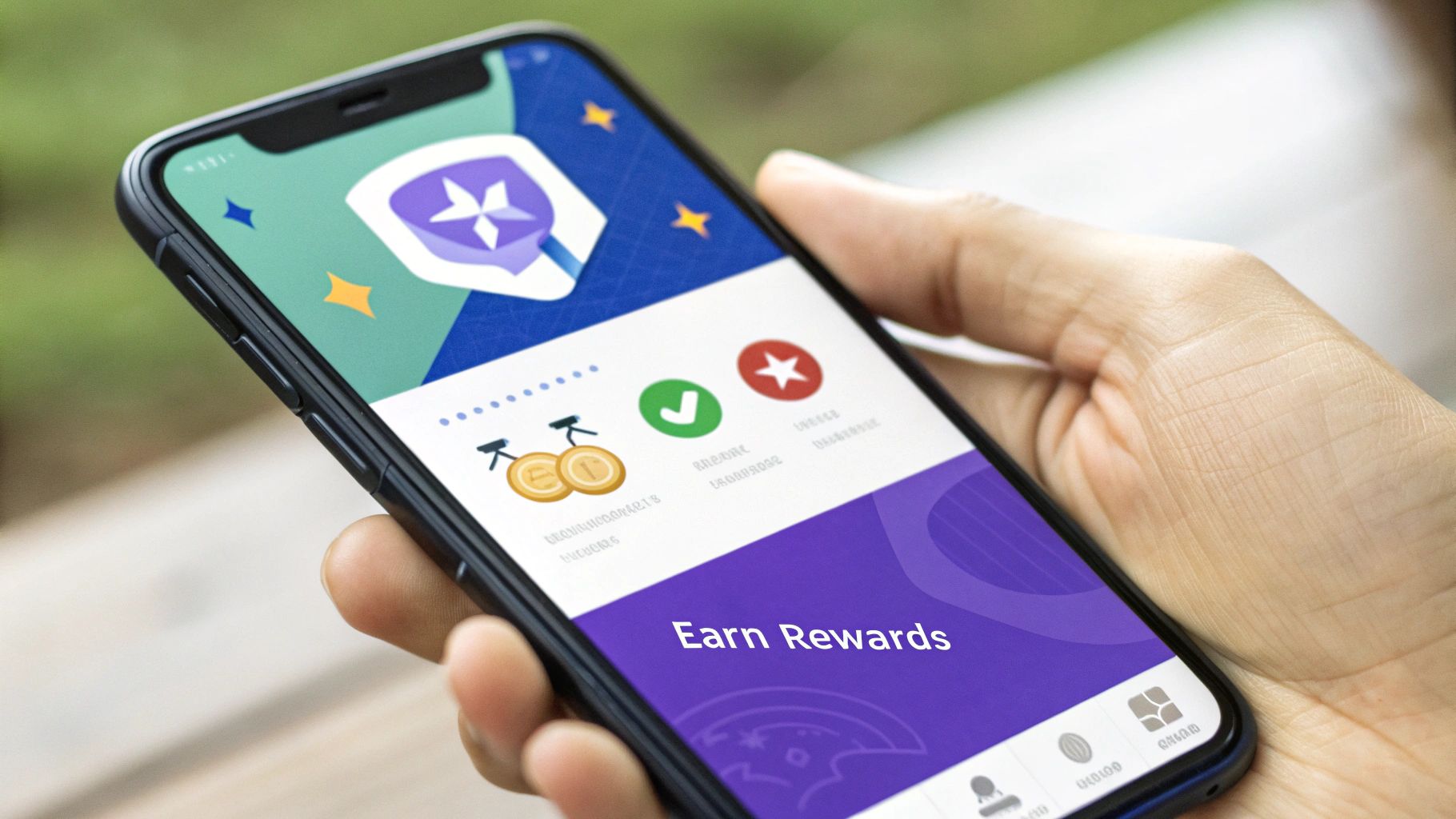
6. Gamification and Rewards Systems
Transforming routine interactions into exciting challenges is one of the most effective audience engagement strategies available. Gamification achieves this by applying game-like elements such as points, badges, and leaderboards to non-game contexts. This approach taps into our natural desire for competition, achievement, and rewards, making participation feel less like a transaction and more like a fun experience.
By integrating gamification, you motivate users to perform specific actions consistently, whether it’s making a purchase, completing a profile, or engaging with content. The sense of progress and accomplishment keeps them coming back for more. It’s a powerful way to build habits and foster long-term loyalty by making your brand’s ecosystem intrinsically rewarding and enjoyable to be a part of.
How to Implement Gamification
Ready to turn audience interaction into a compelling game? Here are a few ways to get started:
- Implement a Points and Rewards System: Mimic the success of Starbucks Rewards by allowing customers to earn "stars" or points for every purchase, which they can redeem for free products. To effectively leverage this, exploring various gamified loyalty program strategies can significantly boost engagement.
- Create Challenges and Badges: Encourage specific behaviors by setting up challenges. The Nike Run Club app excels at this, rewarding runners with milestone badges and achievements for completing distances or joining community challenges, fostering a sense of accomplishment.
- Use Progress Bars and Levels: Motivate users to complete key actions by showing them their progress. LinkedIn’s profile completion bar is a classic example, nudging users toward "All-Star" status by suggesting next steps, which benefits both the user and the platform.
Key Insight: Successful gamification is about more than just points and prizes. It’s about aligning game mechanics with your business goals and tapping into your audience’s intrinsic motivations to create a genuinely enjoyable and rewarding brand experience.
7. Launch User-Generated Content (UGC) Campaigns
Why create all the content yourself when your biggest fans can do it for you? User-generated content campaigns are powerful audience engagement strategies that turn your customers into brand storytellers. Instead of just consuming your content, this approach encourages your audience to create and share their own posts featuring your brand, product, or service.
UGC builds a powerful loop of authenticity and social proof. When potential customers see real people enjoying your offerings, it carries more weight than any branded advertisement. This strategy leverages the genuine voices of your community to build trust, expand your reach organically, and foster a deeper sense of belonging among your followers.
How to Implement UGC Campaigns
Ready to empower your audience to become your best marketers? Here’s how to get started:
- Create a Branded Hashtag: Launch a clear and memorable hashtag for your campaign, like Apple’s iconic #ShotOniPhone. This makes it easy to track submissions and creates a central hub for all the content your community creates.
- Offer Compelling Incentives: Motivate participation by offering prizes, discounts, or the chance to be featured on your official channels. Starbucks’ annual Red Cup Contest encourages festive photos by rewarding the most creative entries.
- Set Clear Guidelines: Make it simple for people to join in. Clearly state what you want them to post, which hashtags to use, and any rules for entry. Simplicity is key to maximizing participation and getting high-quality submissions. If you're looking for more ways to get your audience involved, you can learn more about increasing Instagram engagement on repostly.app.
Key Insight: A successful UGC campaign is less about your brand and more about your customer's experience. Focus on creating a prompt that allows them to share their creativity, stories, and personality, with your brand playing a supporting role in their narrative.
8. Develop a Cross-Platform Content Strategy
Your audience doesn’t live on a single platform, so your brand shouldn't either. The most effective audience engagement strategies meet customers where they are, and a cross-platform approach ensures your message resonates everywhere. Instead of just copy-pasting content, this strategy involves thoughtfully adapting your core message to fit the unique format, tone, and audience expectations of each channel.
This approach acknowledges that a professional deep-dive on LinkedIn won't work as a short, snappy TikTok video. By tailoring content, you respect the user's context on each platform, making your brand feel native and relevant rather than intrusive. This builds a cohesive brand presence that feels both consistent and custom-tailored, significantly boosting interaction rates across your entire digital footprint.
How to Implement a Cross-Platform Strategy
Ready to create a unified but adaptable brand presence? Start with these proven tactics:
- Adapt Content, Don't Duplicate: Take a core piece of content, like a blog post, and repurpose it. Turn key stats into an infographic for Pinterest, create a quick tip video for Instagram Reels, and host a detailed Q&A on the topic in a Facebook Live session. Discover more techniques in these content repurposing strategies.
- Leverage Platform-Specific Features: Use Instagram Stories polls, LinkedIn articles, Twitter threads, and TikTok's trending sounds. For example, National Geographic uses stunning, high-resolution photography on Instagram but shares in-depth documentary clips and scientific articles on YouTube and its website.
- Maintain Brand Consistency: While the format changes, your brand voice, values, and visual identity must remain consistent. Wendy's witty and sarcastic tone is famous on Twitter, but that same personality is adapted visually and tonally for its Instagram and Facebook content. To truly unify your customer interactions and enhance engagement across all touchpoints, delve into the power of omnichannel messaging strategies.
Key Insight: A strong cross-platform strategy isn't about being everywhere at once; it's about being in the right places in the right way. It shows you understand not just your message, but also the diverse communities you're trying to reach.
9. Emotional Engagement and Empathy Marketing
Logic informs decisions, but emotion drives action. The most powerful audience engagement strategies tap into fundamental human feelings, creating connections that go far beyond a simple transaction. Empathy marketing is about understanding and reflecting your audience's feelings, values, and aspirations, proving that your brand sees them as people, not just as customers.
This approach builds deep-seated loyalty by aligning your brand with what your audience truly cares about. When you connect on an emotional level, whether through joy, inspiration, or shared values, your message becomes part of their story. This creates an unbreakable bond that turns passive followers into passionate advocates who feel genuinely connected to your brand's mission.
How to Implement Emotional Engagement
Ready to build a more meaningful connection? Start by focusing on authentic, heartfelt communication:
- Tell Human-Centric Stories: Share stories that highlight universal emotions. Google's "Parisian Love" ad tells a love story entirely through search queries, creating a powerful emotional narrative without showing a single face.
- Champion a Cause: Align your brand with a cause that reflects your audience's values. Ben & Jerry’s is famous for its activism on social and environmental justice, which resonates deeply with its customer base and builds a loyal community.
- Show Vulnerability and Authenticity: Don't be afraid to show the human side of your brand. Share behind-the-scenes moments, celebrate failures as learning opportunities, and speak with a genuine voice that admits imperfection.
Key Insight: Emotional marketing isn't about manipulation; it's about resonance. The goal is to find the authentic intersection between your brand's core values and the deeply held emotions of your audience, creating a shared identity that fosters genuine loyalty.
Audience Engagement Strategies Comparison
| Strategy | Implementation Complexity 🔄 | Resource Requirements ⚡ | Expected Outcomes 📊 | Ideal Use Cases 💡 | Key Advantages ⭐ |
|---|---|---|---|---|---|
| Interactive Content Marketing | High 🔄🔄 | High ⚡⚡ | Higher engagement, better conversion 📊📊 | Engaging digital experiences, lead generation | Real-time participation, personalized UX ⭐ |
| Storytelling and Narrative | Medium 🔄 | Medium ⚡ | Strong emotional bonds, memorability 📊 | Brand authenticity, emotional connection | Builds trust, simplifies complex info ⭐ |
| Community Building and Management | High 🔄🔄 | Medium to High ⚡⚡ | Loyal advocates, user-generated content 📊 | Long-term brand loyalty, feedback channels | Fosters belonging, reduces acquisition costs ⭐ |
| Live Streaming & Real-Time Engagement | Medium to High 🔄🔄 | Medium ⚡ | Urgency, authenticity, high engagement 📊 | Authentic interaction, event marketing | Immediate feedback, cost-effective ⭐ |
| Personalization and Segmentation | High 🔄🔄 | High ⚡⚡ | Increased engagement and ROI 📊📊 | Tailored marketing, improved conversions | Data-driven, enhances retention ⭐ |
| Gamification and Rewards Systems | Medium 🔄 | Medium ⚡ | Increased motivation and loyalty 📊 | Customer engagement, habit-forming | Clear progress, fun competition ⭐ |
| User-Generated Content Campaigns | Medium 🔄 | Low to Medium ⚡ | Authentic social proof, wider reach 📊 | Brand awareness, social amplification | Cost-effective content, emotional connection ⭐ |
| Cross-Platform Content Strategy | High 🔄🔄 | Medium to High ⚡⚡ | Broader reach, consistent branding 📊 | Multi-channel marketing, audience diversity | Maximizes exposure, reinforces message ⭐ |
| Emotional Engagement & Empathy | Medium 🔄 | Medium ⚡ | Strong loyalty, increased advocacy 📊 | Cause marketing, premium pricing strategies | Deep emotional bonds, customer lifetime value ⭐ |
Putting Your Engagement Strategy into Action
We've explored a powerful collection of audience engagement strategies, from the immediate connection of live streaming to the long-term loyalty fostered by community building. Each tactic, whether it's harnessing the authenticity of user-generated content or the motivational pull of gamification, offers a unique way to transform passive followers into an active, invested community. The journey from a simple "like" to genuine brand advocacy is paved with intentional, meaningful interactions.
The core lesson is this: true engagement isn't about chasing vanity metrics. It's about building relationships. It means listening more than you broadcast, providing value before you ask for a sale, and making your audience feel seen and heard. Strategies like personalization and emotional marketing aren't just clever tricks; they are reflections of a fundamental shift towards more human-centric communication. When you prioritize genuine connection, the likes, shares, and comments will follow naturally.
Your Next Steps to Boost Engagement
Moving from theory to practice is where the real growth happens. Don't feel pressured to implement all nine strategies at once. Instead, identify the one or two that best align with your brand's voice and your audience's preferences.
Here's a simple plan to get started:
- Audit Your Current Efforts: Look at your existing content. Where are you already seeing sparks of engagement? Which posts generate the most comments or shares? This data is your starting point.
- Select One New Strategy: Choose a single strategy from this list to test for the next 30 days. For example, commit to running one interactive poll per week or launching a small UGC campaign centered around a specific hashtag.
- Define Success: What does successful engagement look like for you? Is it more comments, an increase in direct messages, or higher participation in a live Q&A? Set a clear, measurable goal.
- Listen and Adapt: Pay close attention to the feedback you receive, both direct and indirect. Your audience will show you what resonates. Be prepared to pivot and refine your approach based on their reactions.
Mastering these audience engagement strategies is more than just a marketing goal; it's an investment in the long-term health and sustainability of your brand. An engaged audience provides invaluable feedback, becomes a powerful source of social proof, and ultimately drives business growth. By consistently applying these principles, you create a vibrant ecosystem where your brand and your community can thrive together, building a foundation of loyalty that is invaluable in today's crowded digital landscape.
Ready to streamline your cross-platform strategy and focus more on creating engaging content? Repostly lets you schedule, publish, and analyze your posts across all major social networks from a single, intuitive dashboard. Save time and elevate your audience engagement strategies by visiting Repostly to start your free trial today.
Keep reading
10 Fresh Instagram Story Idea Tactics for 2025
Stuck for content? Discover our top Instagram story idea list, with actionable tips to boost engagement and grow your audience in 2025.

A Practical Social Media Planner for German Markets
Build a results-driven social media planner for Germany. This guide offers actionable strategies for content, scheduling, and analysis in the German market.
Crafting Your Social Media Content Plan
Stop guessing and start strategizing. This guide provides an actionable social media content plan to audit, plan, and execute content that gets results.
Post once. Show up everywhere.
Start your 7-day free trial and publish your next video to every platform in minutes.Pick a plan and publish your next video to every platform in minutes.
Start your free trialSee plansCancel anytime